Why we paddle
Why We Paddle
For our health. For each other. For every woman facing breast cancer. And for the simple joy of being out on the water together.
Where it all began
Why dragon boat?
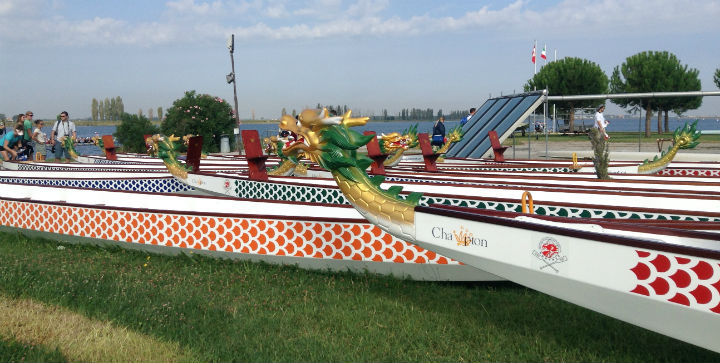
Dragon boating originated in south-central China more than 2,500 years ago — so how did it become one of the fastest-growing water sports in the world? The Vancouver medical community had a lot to do with it.
In 1996, Dr. Don McKenzie, a professor and exercise physiologist in UBC’s Department of Sports Medicine, set out to challenge the prevailing medical thinking that women treated for breast cancer should avoid rigorous upper-body exercise for fear of developing lymphedema, a debilitating and chronic side effect of treatment. He thought dragon boat paddling might be the ideal sport to test his theory.
He took twenty-four volunteers, trained them first in the gym and then taught them to paddle. After three months on the water, none of the volunteers had lymphedema. They were fitter, healthier and happier — and they loved the camaraderie and support of their fellow paddlers.
Dr. McKenzie’s original group formed Abreast In A Boat, the first breast cancer survivor team in Canada. The word soon spread, and today there are countless teams of men and women recovering from all types of cancer.
1996
Dr. McKenzie’s first survivor paddling study
24
Volunteers in the original trial
500 m
A strenuous race-length sprint
2,000
Survivors at the 2005 international festival in Vancouver
Health and fitness
Stronger in body
Paddling is a full-body workout that builds strength, endurance and confidence — at any age and any fitness level. For survivors, it’s a powerful way to regain control after treatment.
It took me 56 years to find an exercise I could enjoy. My River Spirit friends introduced me to a new sport and an improved interest in wellness.
Friendship and support
Never paddling alone
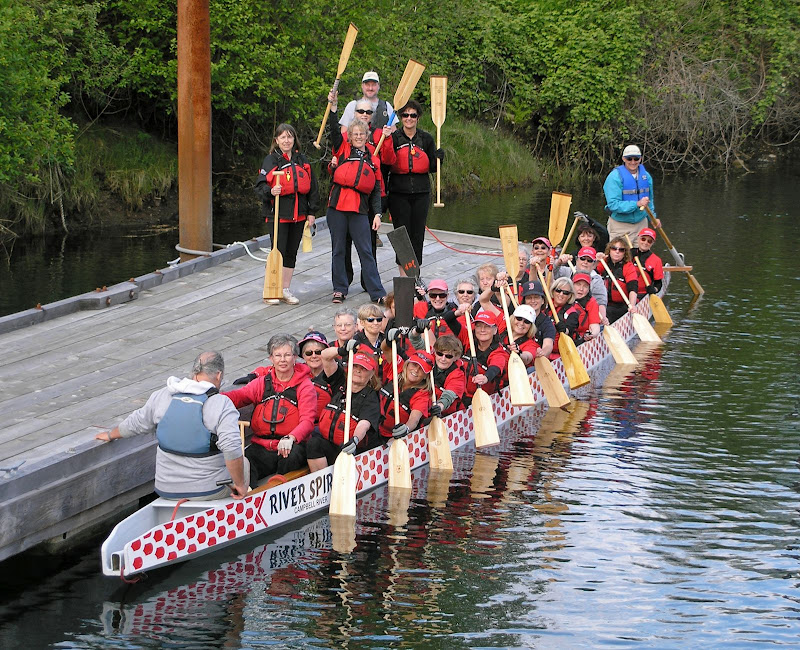
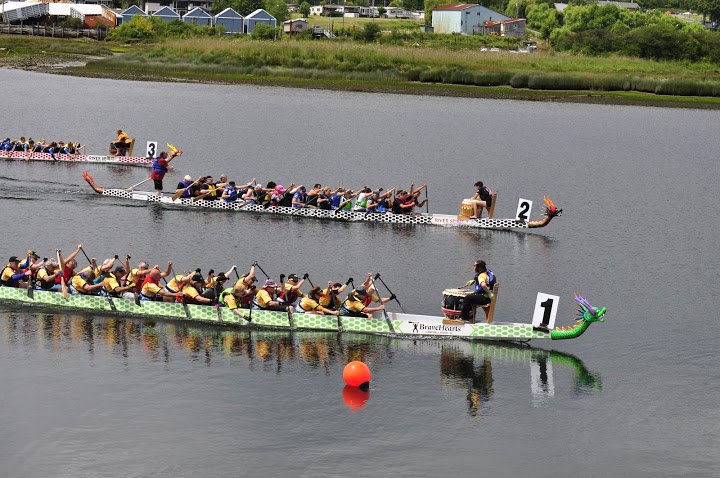
Twenty paddlers, one rhythm. The bonds built in the boat carry over into everyday life, where our members support one another through life’s changes — and laugh a lot along the way.
River Spirit is a place where breast cancer survivors can feel at home and be among other women who share their experience. After many years on the team it is still a place of fun, friendship, laughter, a few tears, and a great workout!
Community connection
Our river, our home
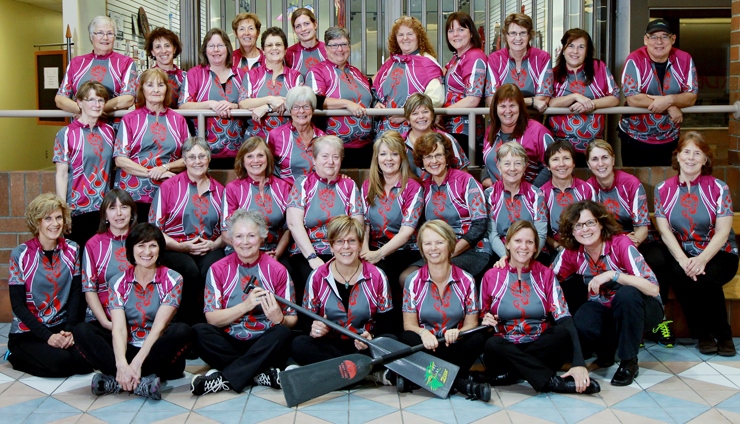
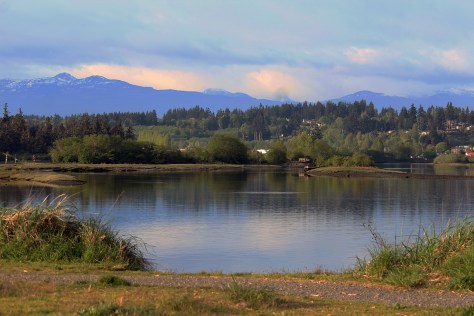
We practise in the beautiful Campbell River estuary, and we race alongside paddlers from communities across Vancouver Island. Every time we take to the water, we help raise awareness of breast cancer.
Dragon boating is a weekly opportunity to feed the soul, build great friendships with amazing women and paddle in a magical estuary!
Teamwork and personal growth
Stepping outside our comfort zone
Dragon boating rewards trust and timing. Learning to move as one boat teaches patience, leadership and the confidence to take on new challenges — on the water and off.
For me, joining River Spirit was stepping way outside my comfort zone and it has been wonderful. I have made a boatload of new friends, gotten a lot of great exercise and have had a lot of fun!
A survivor story
Dawn and the Eagle
In the earliest days of River Spirit we had a member who paddled enthusiastically, and also became a caller. Her name was Dawn, and she really loved being on the water. Unfortunately, her cancer returned, and even though during her treatment she wanted to give up several times, she met the challenge head on, as she did everything. She persisted in participating, and acted as caller when she felt up to it.
One day, when she was on the drum, we were heading to the range markers. Not knowing the riverbed very well in those days, we cut between them and hit the sandbar. The boat lurched, and both Dawn and the drum rocked back and forth until she fell into the water. She was really mad about seeing her hat float away. Sally, who was tilling at the time, jumped in to rescue it and help Dawn back on the boat, losing her own hat. We straightened up the drum, and Dawn, soaking wet, continued drumming.
She eventually succumbed to the disease, and we lost a great friend. When we gathered in Baike’s Slough for our traditional carnation ceremony in her honour, we noticed a large and glorious eagle sitting in the tallest tree at the end of the slough, and someone said, “Look, there’s Dawn, watching over us.” We have the honour of the eagle’s presence often when we practise there, even now.
— Jean Wrohan
In their own words
Why our paddlers paddle
I love that every time I’m on the boat I learn something new about paddling and I’ve developed friendships that will last a lifetime. Sun, wind or rain I never say to myself, “I’m not paddling today.”
Being on the water is so seductive and calming. Anyone can learn and you never stop improving. You’ll meet women from every walk of life, with wonderful talents. We laugh a lot!
Dragon boating is a great way to get exercise, fresh air, sunshine, good company and support breast cancer survivors.
Your turn
Find your reason to paddle
Come try a practice — no experience necessary.